
From First Visit to Regular Customer with Mobile Wallets
Building customer loyalty in 2026 goes far beyond simply awarding points at the end of a purchase. Customers need to be able to join a program easily, track the benefits they've earned, and know what awaits them on their next visit.
For businesses, this means designing an experience where every visit creates a reason for the next one.
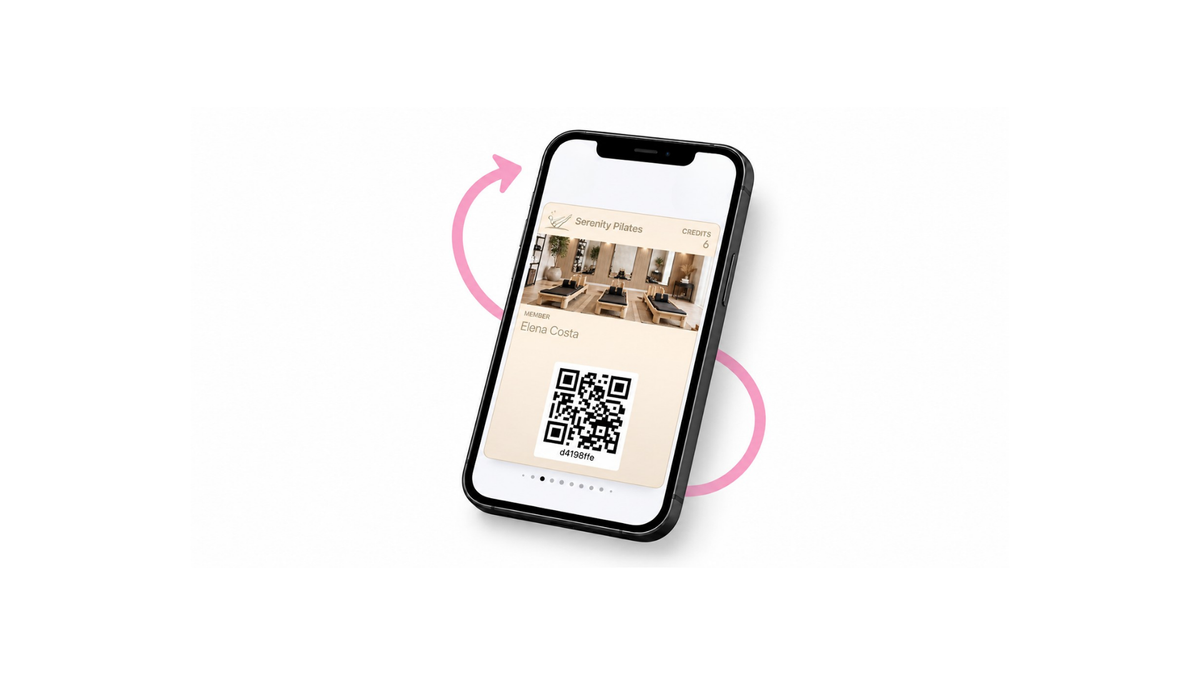
Mobile wallet-based loyalty programs bring this experience directly to the customer's phone. A loyalty card added to Apple Wallet or Google Wallet eliminates the need to download a separate app or carry a physical card. Customers can access their card whenever they need it, seeing their points and how close they are to a reward, all in one place. As enrollment and use become easier, the loyalty program can become a natural part of everyday shopping.
However, easy access is only the beginning of the experience. Customers also need a clear and appealing reason to come back.
A benefit that can be used on the next purchase, a treat earned after a certain number of visits, or a seasonal double-points campaign can all provide this motivation. What matters here is that the customer finds the reward valuable and clearly understands what they need to do to earn it.
Well-timed communication also supports this process. Reminding customers of a reward they've earned or informing them about a relevant campaign can help bring your business back to mind. Every message offering a clear benefit helps communication retain its value in the customer's eyes. On the business side, it's essential to see the results of these efforts.
Are customers who join the program coming back? Are accumulated points being redeemed? Which campaigns lead to more visits? The answers to these questions help you refine your loyalty program based on your customers' actual behavior.
App-free mobile wallet loyalty: what businesses need to know
Most small businesses lose loyalty sign-ups at the same point: the moment a customer is asked to download something. A wallet-based program removes this step entirely. The customer scans a QR code or taps a link, adds a digital pass to Apple Wallet or Google Wallet, and immediately starts collecting stamps or points. No physical card, no separate app to set up and forget.
This difference isn't just marketing talk.
Apple's Wallet loyalty passes documentation states that loyalty passes are useful for customers who don't have a brand's app, and that passes can be distributed via SMS, email, QR code, NFC tag, App Clips, or an existing app. The picture is the same on Android:
Google's Wallet loyalty cards documentation confirms that loyalty cards can be added without installing an app and can be updated via push notifications. For a café, a hair salon, or a gym, this means a single enrollment flow that works for everyone who walks in, whether they're on iOS or Android.
The real payoff begins after the pass is added. Three capabilities make this possible: proximity alerts, reminder/promotional messages, and a dashboard. The following sections cover each of these.
How location-based notifications bring customers back when they're near the store
In Loyaltify, this feature works simply: you add your business address once through store settings, and when a customer gets close to that address, they automatically receive a notification through their pass. No setup, no extra app, no additional configuration required. The result is a timely touch that keeps the business top of mind and reminds the customer to stop by again.
The near-store scenario is the most practical one. Someone with your loyalty pass in Apple Wallet or Google Wallet walks past your location during their lunch break. They get a quick note: two stamps away from a free coffee. This timing is the whole point you're not asking the person to plan a trip; you're asking them to walk in when they're already thirty seconds from the door.
Geofence-based offers work exactly this way: the alert is triggered automatically the moment the customer enters the defined boundary.
These alerts reward restraint. What matters is a clear offer that's valid right now and an obvious next step showing the pass at checkout. Vague messages get swiped away immediately, and so do messages sent too often. A reasonable starting frequency is to limit location triggers to once a week per customer, then adjust based on what the numbers show.
This is exactly where notifications and reporting need to work together. A proximity alert is only worth sending if you can see whether it actually generates a visit. Match every trigger with the conversion data in your dashboard; you'll learn which radius, message, and reward genuinely move people to act, and you'll build a pattern of repeat visits instead of a single spike.
Points-expiration reminders and promotional push notifications that keep the program active
Most loyalty balances don't die from disinterest they die from being forgotten. A customer earns six of ten stamps, forgets the card exists, and the account goes quiet. An expiration reminder is the cheapest fix available: a short message sent while the reward can still be claimed—"Your gift voucher expires on March 31"—delivered straight to the wallet pass already sitting on the customer's phone.
Timing is the single most important factor here. A reminder that arrives two weeks before the expiration date gives someone a reason to plan a visit; one that arrives the morning after is just an apology. The same logic applies to promotional pushes. Seasonal campaigns, a quiet Tuesday offer, or a simple balance update work when they arrive close to a moment the customer can act on, and they stop working when they arrive every week regardless of behavior.
Relevance is the second determining factor, and it depends more on segmentation than on volume. In Loyaltify, this flow works as follows: you select the loyalty card the message will target, choose the message type, select the notification you want to send, write a short and clear message, and create the send.
For more detail, you can check the documentation: Sending Notifications to Customers
4 Key Metrics You Should Track on Your Dashboard
You don't need complicated reports to understand whether a loyalty program is succeeding. What you need is data you can grasp at a glance and turn into concrete decisions for your business: how many people are joining the program, how many are earning points, and how many are coming back.
A functional loyalty dashboard should clearly display these four core metrics:
- New customer sign-ups
How many customers have added your loyalty card to Apple Wallet or Google Wallet? This number helps you understand the initial interest in your program. It's the first indicator to track, especially right after launching the program or promoting it via a QR code at checkout. - Points earned
Are your customers continuing to accumulate points after joining the program? If sign-ups are rising but points earned remain low, you may need to encourage customers to start using the program or to visit again. - Rewards redeemed
Are your customers converting their accumulated points into rewards? This data helps you understand how appealing your rewards actually are. If points are piling up but rewards aren't being redeemed, reaching the reward may be too difficult, or the benefits you're offering may not be compelling enough. - Repeat visits
How often are your customers coming back? Tracking visits per customer over time lets you assess whether the program is delivering the results you're aiming for. Alongside sign-up numbers, you should also see whether that engagement is translating into regular visits.
The Loyaltify dashboard brings together customer sign-ups, points earned, rewards redeemed, and repeat visits, making it easy to track your program's performance. This gives you a clearer view of which areas are generating interest and where you can improve.
Notifications and campaign results should also be evaluated together. For example, when you send a "Double points this weekend!" message or a notification reminding customers that a reward is about to expire, you should be able to track the visits and reward redemptions that follow. Comparing this data with previous periods helps you understand which campaigns are actually driving returns.
An Easy-to-Manage Digital Loyalty Program for Your Business
Your loyalty program should be easy to use for both your team and your customers. Customers should be able to join effortlessly, your team should be able to handle day-to-day operations smoothly, and you should be able to track results clearly.
Focus on these four points when building your program:
- Easy enrollment
Customers should be able to access your loyalty card without needing to download a separate app. Enrollment via QR code or link simplifies the first step. - Apple Wallet and Google Wallet support
Your loyalty card should live in the mobile wallet your customers already use. This way, customers can easily access their card on every visit. - Timely and relevant communication
Points updates, reward reminders, and seasonal campaigns can help you stay in touch with your customers. Plan every message you send with the benefit it offers the customer in mind. - Clear reporting
You should be able to track how many customers have joined, how many points have been earned, which rewards have been redeemed, and how often customers are returning. This data shows you which steps to prioritize as you refine your program.
At Loyaltify, we help your business build a digital loyalty experience it can offer under its own brand. With loyalty cards accessible via Apple Wallet and Google Wallet, our goal is to make it easier for customers to join and to encourage repeat visits.
Explore Loyaltify, and let's build the loyalty program that's right for your business together.